Aisle Guide Light in Australia
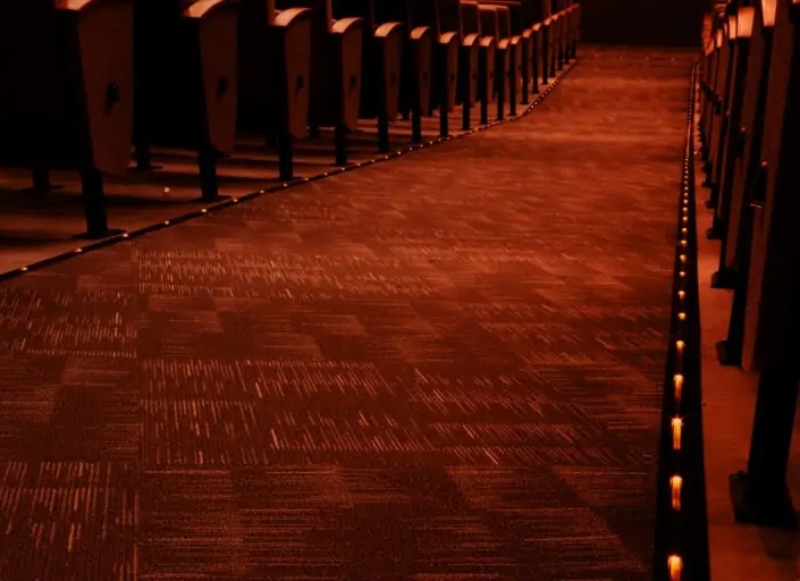
An Aisle Guide Light in Australia serves as a navigational beacon in darkened public venues, ensuring safe thoroughfare from seat rows to exits. The legislative foundation for these fixtures is Regulation 39 of the Health (Public Buildings) Regulations 1992, which explicitly requires permanent effective safety lighting for main aisles between blocks of fixed seats.
The Aisle Guide Light in Australia is distinct from general step lighting; it must define the path of travel horizontally, guiding patrons along the length of the aisle. Modern solutions utilize LED technology with asymmetric optics to wash the aisle surface without projecting light upwards into the audience’s line of sight.
Design standards for the Aisle Guide Light in Australia emphasize durability and visibility. Products typically feature recessed aluminium housings with IP54 ratings, providing resistance to dust and moisture ingress during cleaning cycles. With lifespans exceeding 50,000 hours, these fixtures reduce maintenance burdens in hard-to-access ceiling voids and risers.
The Aisle Guide Light in Australia must also comply with strict electrical segregation rules; its circuit cannot be fed from an emergency power supply but must be aligned such that failure automatically triggers the emergency system. This technical nuance requires careful specification of drivers and control gear.
From an EEAT perspective, selecting the appropriate Aisle Guide Light in Australia requires understanding the distinction between safety lighting and emergency lighting. Safety lighting (aisle lights) operates continuously when the venue is occupied, while emergency lighting activates only upon mains failure.
Australian Standards mandate that safety lighting not be dimmed. Therefore, the Aisle Guide Light in Australia must be specified with non-dimmable drivers or locked-full-on control modules. Reputable Australian suppliers provide detailed photometric data and compliance certificates, allowing specifiers to verify that their lighting solution meets both the letter and the spirit of the law.