Safety Signage in Shri Lanka
Safety Signage in Sri Lanka
The cornerstone of any safe workplace, public venue, or industrial site is clear and effective communication, which is why Safety Signage in Sri Lanka is a critical component of regulatory compliance and risk management. Governed by frameworks promoted by the Sri Lanka Occupational Safety and Health Service (SLOSH) and other local authorities, Safety Signage in Sri Lanka serves to warn of hazards, mandate protective behavior, and guide individuals to safety during emergencies. From "Fire Exit" signs in a Colombo multiplex to "Caution: Wet Floor" notices in a local restaurant, these visual tools are essential for preventing accidents and ensuring a swift, orderly response when incidents occur.
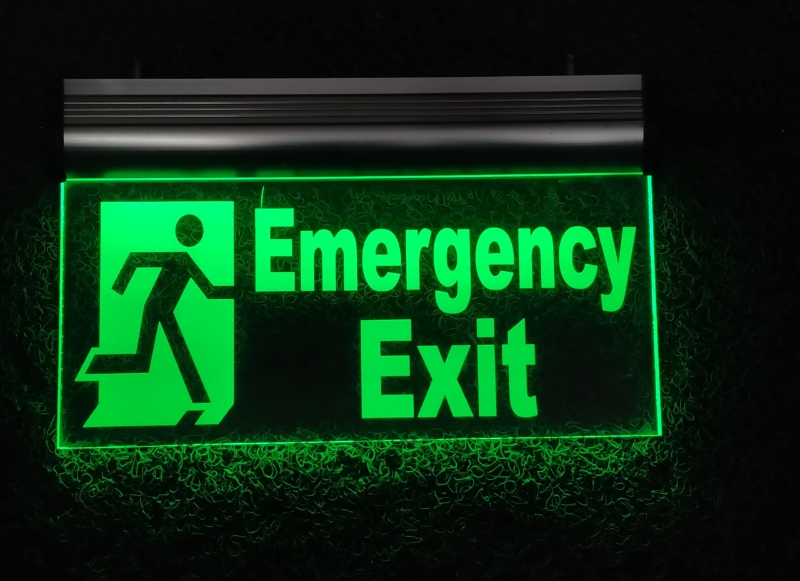
Under Sri Lanka's occupational safety laws, employers and building managers have a legal and moral duty to provide adequate Safety Signage in Sri Lanka. Experts in facility management understand that signage must be more than just present; it must be strategically placed, well-lit, and free from obstruction. In cinemas, for example, photoluminescent "exit" signs are often used to ensure visibility even in total darkness, guiding patrons safely out of the auditorium. This aligns with global best practices for workplace safety labelling, where clear text, graphics, and icons are used to convey information quickly and effectively.
Investing in high-quality, durable Safety Signage in Sri Lanka is an investment in public trust and operational continuity. When visitors or workers see clear, professionally printed signs—whether they are warning of a hazardous area or indicating the emergency assembly point—they feel safer and more confident. Suppliers in Sri Lanka offer a range of materials suited for the local climate, from weather-resistant vinyl for outdoor use to rigid, impact-resistant materials for industrial settings. By prioritizing compliance and visibility, businesses demonstrate their authoritative commitment to safety, protecting both their people and their reputation in a regulated market.